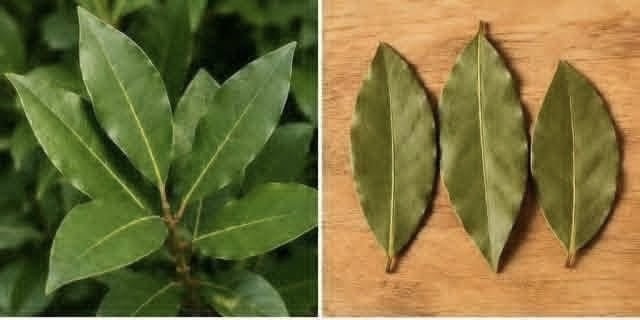
Bay leaves have been treasured in kitchens and natural wellness traditions for centuries. Often celebrated for their earthy, subtly floral aroma, these versatile leaves are much more than a simple flavoring agent for soups and stews. Many holistic health enthusiasts turn to bay leaf infusions to support healthy blood sugar management, promote cardiovascular wellness by helping balance cholesterol and triglycerides, and soothe everyday joint discomfort.
Learning how to properly dry fresh bay leaves at home—and subsequently brew them into a comforting, nutrient-rich herbal tea—is an effortless way to elevate both your pantry staples and your daily wellness routine. With just a few fresh leaves, a baking sheet, and a standard kitchen oven, you can preserve their essential oils at peak potency without relying on store-bought jars that have lost their vibrancy.
Recipe Overview
| Detail | Information |
| Prep Time | 5 minutes |
| Cook / Drying Time | 45 minutes (Drying) + 10 minutes (Brewing) |
| Total Time | 1 hour |
| Servings | 2 cups of tea (plus extra dried leaves for storage) |
| Diet Type | Vegan, Gluten-Free, Keto-Friendly, Sugar-Free, Paleo |
| Cuisine | Mediterranean / Herbal Wellness |
| Difficulty Level | Easy |
Why You’ll Love This Recipe
Preserving your own herbs at home guarantees maximum flavor and aromatic potency, giving you complete control over the quality of your pantry ingredients without any preservatives or additives. When you gently dehydrate bay leaves in the oven at a low temperature, the essential oils remain locked inside the leaf rather than evaporating, resulting in a far superior culinary spice and a deeply soothing herbal infusion.
Beyond the kitchen, brewing dried bay leaves into a warm cup of tea offers a calming, caffeine-free ritual that fits seamlessly into a health-conscious lifestyle. Whether you are looking for natural digestive support after a heavy meal, exploring holistic dietary additions for metabolic and heart health, or simply wanting a comforting evening beverage, this simple preparation delivers exceptional value with minimal effort.
Ingredients
For Drying the Bay Leaves
| Ingredient | Quantity | Notes |
| Fresh Bay Leaves (Laurus nobilis) | 15–20 whole leaves | Choose vibrant, unblemished green leaves |
| Filtered Water | As needed | For rinsing off dust or garden residue |
For Brewing Bay Leaf Tea
| Ingredient | Quantity | Notes |
| Oven-Dried Bay Leaves | 3 whole leaves | Crushed slightly just before steeping |
| Filtered Water | 2 cups (16 fl oz / 480 ml) | Brought to a gentle boil |
| Cinnamon Stick (Optional) | 1 small stick | Adds natural sweetness and warmth |
| Fresh Lemon Juice (Optional) | 1 teaspoon | Brightens the earthy flavor profile |
| Raw Honey (Optional) | 1 teaspoon | Omit for sugar-free or diabetic-friendly diets |
Step-by-Step Instructions
- Wash and Thoroughly Dry the Leaves: Rinse the fresh bay leaves under cool running water to remove any surface dust. Gently pat each leaf completely dry with a clean kitchen towel or paper towels, ensuring no moisture remains before heating.
- Preheat the Oven: Set your oven to its lowest possible temperature, ideally 170°F (75°C). If your oven only goes down to 200°F (93°C), prop the oven door open slightly with a wooden spoon during drying to prevent scorching.
- Arrange on a Baking Sheet: Line a rimmed baking sheet with parchment paper. Lay the bay leaves flat in a single, even layer, leaving small gaps between each leaf so warm air can circulate freely.
- Slow-Dry in the Oven: Place the baking sheet on the middle rack. Bake for 35 to 45 minutes, flipping the leaves halfway through at the 20-minute mark. The leaves are ready when they turn a muted olive-green color, feel crisp, and snap cleanly when bent—without turning brown or burnt.
- Cool Completely: Remove the baking sheet from the oven and allow the leaves to cool to room temperature on the pan for about 10 minutes.
- Brew the Herbal Tea: Pour 2 cups of filtered water into a small saucepan and bring it to a boil over medium-high heat. Add 3 of the dried bay leaves (and a cinnamon stick, if using). Reduce the heat to low, cover with a lid, and simmer gently for 8 to 10 minutes.
- Strain and Serve: Remove the saucepan from the heat and let it steep covered for an additional 2 minutes. Pour the tea through a fine-mesh strainer into your favorite mug, add a squeeze of fresh lemon juice if desired, and enjoy warm.
Best Tips
Always inspect your bay leaves carefully before drying to ensure they are true culinary bay leaves (Laurus nobilis) rather than ornamental look-alikes, which are not safe for consumption. Keeping your oven temperature low and steady is the secret to preserving the delicate eugenol and cineole oils that give bay leaves their signature aroma and wellness properties.
When brewing the tea, keeping a tight-fitting lid on the saucepan while simmering prevents the beneficial aromatic compounds from escaping with the steam. If you prefer a milder infusion, steep the leaves for just 5 minutes; for a stronger, more robust herbal brew, allow them to simmer for the full 10 minutes before straining.
Best Ingredient Options
- Fresh Turkish or Mediterranean Bay Leaves (Laurus nobilis): Oval-shaped with a mild, sweet, balsamic aroma; these are the gold standard for both cooking and herbal tea.
- California Bay Leaves (Umbellularia californica): Longer and narrower with a much stronger menthol-like punch; use half the amount if substituting, as they can easily overpower a tea.
- Filtered Spring Water: Using clean, chlorine-free water ensures the subtle herbal notes of the bay leaf shine through without any metallic aftertaste.
- Ceylon Cinnamon: If adding spice to your infusion, choose true Ceylon cinnamon over Cassia cinnamon for a delicate, citrusy sweetness that pairs effortlessly with bay.
Recipe Variations
For a warming digestive blend, add three thin slices of fresh ginger root and two crushed green cardamom pods to the saucepan alongside the bay leaves during the simmering step. The spicy warmth of ginger complements the woodsy notes of the bay leaf and creates an invigorating morning tonic.
If you prefer a refreshing iced herbal beverage during warmer months, brew a double-strength batch using six bay leaves in two cups of water, then pour the strained liquid over a tall glass filled with ice cubes and fresh mint leaves. A splash of sparkling water turns it into a crisp, zero-calorie botanical refresher.
What to Serve With
Because bay leaf tea has a clean, woodsy, and slightly minty flavor profile, it pairs wonderfully with light, wholesome snacks that will not overwhelm your palate. Enjoy a warm mug alongside a handful of raw almonds, walnuts, or toasted pumpkin seeds for a satisfying afternoon break that supports steady energy levels.
In the morning, serve this herbal infusion alongside avocado toast on whole-grain sourdough, a vegetable omelet, or a bowl of warm steel-cut oats topped with berries. The earthy aroma of the tea balances savory breakfast dishes while keeping your meal light and nourishing.
Make-Ahead Instructions
You can dry a large batch of fresh bay leaves up to several months in advance so they are always ready whenever you want to cook or brew a pot of tea. Simply double or triple the drying batch using two parchment-lined baking sheets, rotating the pans halfway through the oven time for even dehydration. Once cooled, store the whole leaves intact and only crush or simmer them right before use.
Storage
Store your completely cooled, oven-dried bay leaves in an airtight glass jar with a tight-fitting seal. Keep the jar in a cool, dark pantry or cupboard away from direct sunlight and stove heat, where they will retain peak flavor and potency for 6 to 12 months. If you prefer to keep fresh, undried bay leaves on hand for short-term use, place them on a small plate or inside a breathable paper towel bag in the refrigerator crisper drawer for up to 2 weeks.
Reheating
If you have leftover brewed bay leaf tea stored in the refrigerator, gently reheat it in a small saucepan over low heat for 3 to 4 minutes until steaming, avoiding a hard boil so the flavor does not turn bitter. Alternatively, warm a single mug in the microwave in 30-second intervals, stirring between each interval until it reaches your preferred drinking temperature.
Freezing
Whole fresh bay leaves freeze remarkably well if you have an abundant harvest and prefer not to oven-dry all of them at once. Wash and pat the fresh leaves completely dry, place them in a single layer inside a freezer-safe zip-top bag, press out the excess air, and freeze for up to 1 year. You can drop frozen leaves directly into simmering water for tea or into soups without thawing first.
Common Mistakes to Avoid
Drying bay leaves at too high an oven temperature is the most frequent error, as heat above 200°F (93°C) scorches the leaves, turning them brittle brown and destroying their natural essential oils. Patience with low, gentle heat ensures the leaves stay a rich olive green.
Another common mistake is storing freshly dried leaves while they are still slightly warm or retaining trace moisture, which can trap condensation inside the jar and cause mold. Always let them cool completely to room temperature before sealing, and remember to remove whole bay leaves from your cup or dish before consuming, as their stiff texture remains tough even after simmering.
Nutrition Estimate
Per 1 cup (8 fl oz / 240 ml) of unsweetened brewed bay leaf tea:
| Nutrient | Amount | % Daily Value* |
| Calories | 2 kcal | 0% |
| Total Fat | 0 g | 0% |
| Sodium | 2 mg | 0% |
| Total Carbohydrates | 0.5 g | 0% |
| Dietary Fiber | 0 g | 0% |
| Total Sugars | 0 g | 0% |
| Protein | 0 g | 0% |
| Vitamin A | 45 IU | 1% |
| Vitamin C | 0.4 mg | 1% |
| Manganese | 0.06 mg | 3% |
*Percent Daily Values are based on a 2,000-calorie diet. Values are estimates for plain infusion without optional honey.
Frequently Asked Questions
1. Can you eat whole bay leaves after brewing them in tea? No, whole bay leaves should always be strained out and discarded before drinking or eating. Even after simmering, the leaves remain stiff with sharp edges that can be difficult to digest or pose a choking hazard.
2. How many cups of bay leaf tea can I drink per day? For most healthy adults, 1 to 2 cups of mild bay leaf tea per day is a comfortable, moderate amount. As with any herbal infusion, moderation is key, and listening to how your body responds is always best.
3. Is it better to use fresh or dried bay leaves for tea? Both work well, though oven-dried bay leaves offer a slightly smoother, less bitter flavor than raw fresh leaves because gentle drying mellows out harsh compounds while concentrating the sweet, herbal aroma.
4. Why did my bay leaves curl up in the oven? A slight natural curl is completely normal as moisture evaporates from the leaf structure. As long as the leaves remain green rather than dark brown or blackened, they have dried properly.
Final Thoughts
Taking a few minutes to oven-dry fresh bay leaves and steep them into a soothing herbal infusion is one of the simplest ways to bring mindful, natural wellness into your kitchen. Not only will your pantry be stocked with aromatic, vibrant leaves ready for everyday cooking, but you will also have an easy, comforting beverage on hand whenever you want a warm, caffeine-free cup. Give this method a try the next time you pick up a bunch of fresh bay leaves, and enjoy the simple pleasure of homemade herbal care.
⚠️This recipe may not be suitable for everyone, so it is advisable to consult a doctor.
