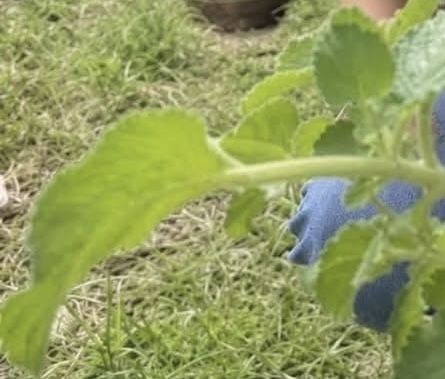
Oregano has been prized for centuries across Mediterranean kitchens and traditional herbalism for its bold, peppery aroma and concentrated plant compounds. Naturally rich in carvacrol, thymol, and potent antioxidants, fresh oregano leaves offer well-documented antimicrobial and antifungal properties in culinary and botanical preparations.
Learning how to craft both a warm, soothing oregano herbal tea and a versatile oregano-infused extra-virgin olive oil lets you preserve the harvest at peak potency. Whether brewed into a comforting cup for seasonal respiratory and digestive support or drizzled over roasted vegetables and artisan bread, these two simple kitchen staples bring natural wellness and vibrant flavor straight to your table.
Recipe Overview
| Detail | Information |
| Prep Time | 10 minutes |
| Cook / Infusion Time | 10 minutes (Tea) + 45 minutes (Warm Oil Infusion) |
| Total Time | 55 minutes |
| Servings | 2 cups of tea + 1 cup (8 fl oz / 240 ml) infused oil |
| Diet Type | Vegan, Gluten-Free, Keto-Friendly, Sugar-Free, Paleo, Whole30 |
| Cuisine | Mediterranean / Herbal Wellness |
| Difficulty Level | Easy |
Why You’ll Love This Recipe
Making your own oregano remedies at home gives you complete control over the freshness, purity, and potency of your herbs without relying on harsh synthetic supplements or overly concentrated commercial extracts. Fresh garden oregano leaves—including broad-leaf Cuban oregano (Plectranthus amboinicus) and classic Mediterranean oregano (Origanum vulgare)—release aromatic essential oils that soothe the throat, comfort digestion, and elevate everyday meals.
By preparing both a gentle water-based herbal tea and a shelf-stable olive oil infusion, you get two practical ways to enjoy oregano’s natural benefits. The tea provides immediate, warming hydration during chilly evenings, while the golden infused oil doubles as a gourmet finishing oil for salads, grilled meats, and crusty bread.
Ingredients
For Soothing Fresh Oregano Tea
| Ingredient | Quantity | Notes |
| Fresh Oregano Leaves | 6–8 large leaves (or 2 tbsp loosely packed) | Rinsed clean and gently bruised to release oils |
| Filtered Water | 2 cups (16 fl oz / 480 ml) | Brought just to a gentle boil |
| Fresh Lemon Juice (Optional) | 1 teaspoon | Adds brightness and vitamin C |
| Raw Honey (Optional) | 1 teaspoon | Soothes the throat; omit for sugar-free diets |
For Oregano-Infused Extra-Virgin Olive Oil
| Ingredient | Quantity | Notes |
| Dried Oregano Leaves | 1/2 cup (loosely packed) | Must be 100% dry to prevent spoilage |
| Extra-Virgin Olive Oil | 1 cup (8 fl oz / 240 ml) | Cold-pressed, high-quality olive oil |
| Garlic Clove (Optional, for culinary use only) | 1 peeled clove | Refrigerate oil within 3 days if adding fresh garlic |
Step-by-Step Instructions
- Rinse and Bruise the Fresh Leaves: Gently wash the fresh oregano leaves under cool running water and pat them dry. Lightly rub or tear the leaves between your clean fingers to bruise the plant cells and unlock their natural aromatic oils.
- Steep the Oregano Tea: Bring 2 cups of filtered water to a boil in a small saucepan, then remove from the heat. Add the bruised fresh oregano leaves, cover tightly with a lid, and steep for 8 to 10 minutes so the volatile oils stay trapped in the brew.
- Strain and Serve Warm: Pour the herbal infusion through a fine-mesh strainer into a mug. Stir in fresh lemon juice and raw honey if desired, and sip while warm.
- Prepare the Oregano-Infused Oil: For the pantry oil, ensure your dried oregano leaves are completely crisp and moisture-free. Place the dried leaves into a clean, dry 12-ounce glass mason jar and pour 1 cup of extra-virgin olive oil over them until fully submerged.
- Infuse Gently Over Warm Water: Place a folded dish towel on the bottom of a saucepan, set the uncovered glass jar on the towel, and fill the pan halfway with water. Warm over the lowest heat setting (110°F–125°F / 43°C–52°C) for 45 minutes without letting the water boil.
- Cool, Strain, and Bottle: Remove the jar from the water bath and let it cool completely to room temperature. Strain the oil through a cheesecloth-lined fine-mesh sieve into a clean dark glass bottle, pressing the leaves gently to release every drop.
Best Tips
Always keep a tight lid on your mug or saucepan while steeping fresh oregano tea. Oregano’s most beneficial aromatic compounds—carvacrol and thymol—are volatile essential oils that easily evaporate with steam if left uncovered.
When making oregano-infused olive oil, strictly use completely dried oregano leaves rather than fresh leaves. Fresh herbs contain natural water that can foster bacterial growth when submerged in oil at room temperature, whereas thoroughly dried leaves produce a safe, deeply aromatic oil that stays fresh for months.
Best Ingredient Options
- Mediterranean Oregano (Origanum vulgare): Features small, intensely aromatic leaves with high carvacrol levels, delivering a classic peppery, slightly bitter herbal profile.
- Cuban Oregano / Mexican Mint (Plectranthus amboinicus): Recognizable by its thick, fuzzy, scalloped leaves, this succulent herb offers a bold, savory oregano-thyme aroma that brews wonderfully into fresh tea.
- Cold-Pressed Extra-Virgin Olive Oil: Provides heart-healthy monounsaturated fats and polyphenols that complement oregano’s natural antioxidants.
- Filtered Spring Water: Free from chlorine and heavy minerals, allowing the delicate herbal notes of fresh oregano tea to shine cleanly.
Recipe Variations
For a warming seasonal immune-support blend, steep fresh oregano leaves alongside two thin slices of fresh ginger root and half a Ceylon cinnamon stick. The spicy warmth of ginger balances oregano’s earthy sharpness and creates a deeply comforting evening drink.
If you want a savory Mediterranean herb oil for cooking, add 1 teaspoon of dried rosemary needles and 1/2 teaspoon of crushed red pepper flakes to the dried oregano during the warm olive oil infusion. This creates a vibrant finishing oil for grilled chicken, roasted potatoes, and flatbreads.
What to Serve With
Enjoy a warm cup of fresh oregano tea after a hearty dinner alongside a small plate of sliced pears, walnuts, or dark chocolate. Oregano’s naturally digestive, slightly minty finish helps settle the stomach and cleanse the palate after rich or savory meals.
Use your homemade oregano-infused olive oil drizzled over sliced heirloom tomatoes with sea salt, swirled into warm hummus, or brushed onto crusty sourdough bread before toasting.
Make-Ahead Instructions
You can harvest and air-dry bunches of fresh garden oregano 1 to 2 weeks ahead of time by tying the stems together with kitchen twine and hanging them upside down in a warm, well-ventilated spot out of direct sunlight. Once crisp, strip the leaves from the stems so they are ready for both tea and oil infusions.
Storage
Store strained oregano-infused olive oil in a tightly sealed amber glass bottle in a cool, dark pantry cupboard away from stove heat and sunlight, where it will maintain peak flavor for 3 to 4 months. Freshly brewed oregano tea should be consumed the same day, though leftover unsweetened tea can be kept in a covered glass jar in the refrigerator for up to 24 hours.
Reheating
To reheat refrigerated oregano tea, warm it gently in a small saucepan over low heat for 2 to 3 minutes until steaming (145°F / 63°C), avoiding a rolling boil so the herb does not turn overly bitter. Infused olive oil should be used at room temperature or gently warmed in a skillet over low heat when cooking.
Freezing
To preserve fresh oregano leaves for future teas and soups, wash and pat the leaves completely dry, arrange them in a single layer on a parchment-lined tray to freeze solid, and transfer them to an airtight freezer bag for up to 6 months. You can drop frozen leaves directly into hot water to steep without thawing.
Common Mistakes to Avoid
Using undiluted commercial oregano essential oil internally as a substitute for fresh or dried culinary oregano leaves is a dangerous mistake. Essential oils are highly concentrated chemical extracts that can burn mucous membranes and irritate the digestive tract, whereas whole-leaf herbal tea is gentle and food-safe.
Another common error is boiling fresh oregano leaves vigorously for too long, which extracts excess tannins and makes the tea unpleasantly bitter. Always pour hot water over the leaves and steep off the heat for no more than 10 minutes.
Nutrition Estimate
Per 1 cup (8 fl oz / 240 ml) of unsweetened fresh oregano tea:
| Nutrient | Amount | % Daily Value* |
| Calories | 3 kcal | 0% |
| Total Fat | 0 g | 0% |
| Sodium | 2 mg | 0% |
| Total Carbohydrates | 0.7 g | 0% |
| Dietary Fiber | 0.4 g | 1% |
| Total Sugars | 0 g | — |
| Protein | 0.1 g | 0% |
| Vitamin K | 6.2 mcg | 5% |
| Iron | 0.4 mg | 2% |
| Manganese | 0.05 mg | 2% |
*Percent Daily Values are based on a 2,000-calorie diet. Values are estimates for plain tea without optional honey or olive oil.
Frequently Asked Questions
1. Is oregano really 30 times stronger than garlic and lemon? In laboratory test-tube studies, concentrated oregano oil compounds like carvacrol show strong antimicrobial and antifungal activity against certain microbes. However, culinary oregano tea and infused oil are gentle food preparations rather than medical antibiotics or antifungals.
2. Can I drink oregano tea every day? For most healthy adults, 1 cup of mild oregano tea per day is safe and enjoyable. However, continuous heavy daily intake is not recommended without taking breaks, and pregnant or nursing women should avoid concentrated herbal oregano remedies.
3. What is the difference between fresh oregano and dried oregano for tea? Fresh oregano yields a brighter, more aromatic, and slightly sweeter cup of tea, while dried oregano has a deeper, earthier flavor. If substituting dried oregano for fresh in tea, use 1 teaspoon of dried leaves per cup of water.
4. Why did my oregano tea turn slightly golden-green? A pale golden-green hue is completely normal and indicates that the natural plant flavonoids and essential oils have infused properly into the water.
Final Thoughts
Bringing fresh oregano from the garden or farmers market into your kitchen is a simple, rewarding way to craft comforting herbal teas and flavorful infused oils. With clean ingredients, gentle preparation methods, and vibrant Mediterranean aroma, these homemade recipes make everyday wellness both practical and delicious.
âš ï¸This recipe may not be suitable for everyone, so it is advisable to consult a doctor.
